Posts Tagged: Energy-Efficient Equipment Is Becoming More Intelligent
How South Bay Swimming Pool Contractors Are Using California IT to Build Smarter Luxury Pools
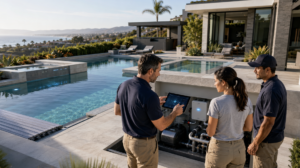
California’s South Bay has long been associated with innovation, architectural creativity, and an outdoor lifestyle shaped by the region’s mild climate. Today, those qualities are coming together in a new generation of luxury swimming pools. These pools are no longer designed solely for recreation or visual appeal. They are becoming intelligent outdoor environments that use connected equipment, automated controls, efficient pumps, advanced lighting, and real-time water monitoring.
This transformation reflects a broader California IT trend in which digital technology is being incorporated into nearly every aspect of residential design. From Silicon Valley to the coastal communities of the Peninsula, homeowners increasingly expect their outdoor spaces to offer the same level of convenience and connectivity found inside their homes.
Leading Swimming Pool Contractors South Bay homeowners rely upon are responding by combining thoughtful landscape design with integrated pool technology. The result is a more personalized swimming experience that can also reduce maintenance, improve efficiency, and give homeowners greater control over their outdoor environments. 🌴
California IT Is Moving Beyond the Home’s Interior
Smart-home technology initially focused on indoor systems such as thermostats, security cameras, entertainment equipment, and lighting. That boundary has largely disappeared. Homeowners now expect technology to extend into gardens, patios, outdoor kitchens, spas, and swimming pools.
The concept is part of the expanding Internet of Things, in which physical devices can collect information, communicate with other equipment, and be controlled through digital networks. In a luxury pool setting, this may include pumps, heaters, lighting systems, water features, sanitation equipment, and landscape irrigation.
A homeowner can use a smartphone or tablet to adjust the pool temperature before returning from work, activate a spa from inside the house, or prepare the backyard for an evening gathering. Lighting scenes can be programmed for different occasions, while pumps and filtration equipment can follow schedules designed around household use and energy demand.
This connectivity is especially relevant in the South Bay, where many residents work in technology and expect polished digital experiences. A pool control system that feels outdated or unnecessarily complicated can diminish the appeal of an otherwise exceptional outdoor space. Contractors must therefore consider how the entire system will function after construction, not merely how it will look on completion day.
Pool Automation Is Creating a More Convenient Experience
Pool ownership traditionally required frequent manual adjustments. Owners had to operate pumps, check water conditions, turn heaters on and off, and manage lights or water features through separate switches and control panels. Modern automation consolidates many of these functions into a single digital interface.
A properly planned control system can coordinate the pool, spa, lighting, filtration, heating, and water features. Homeowners may create customized settings for ordinary swimming, entertaining guests, relaxing in the spa, or securing the property at night.
Automation also allows equipment to operate according to a consistent schedule. Instead of depending on someone to remember every task, the system can run filtration cycles, adjust circulation, and manage supporting equipment at predetermined times. Remote notifications can alert the homeowner or service professional when attention is needed.
California’s wider commitment to digital modernization can be seen through the work of the California Department of Technology, which promotes technology, innovation, and dependable digital services across state government. The residential market follows a similar direction on a smaller scale: technology is expected to make complicated systems more accessible and responsive.
For pool contractors, automation is not simply an accessory added at the end of a project. Control systems need to be considered during the early design stages so that equipment, electrical service, networking, conduits, and future upgrades can be accommodated without compromising the landscape.
Energy-Efficient Equipment Is Becoming More Intelligent
Swimming pools require energy to circulate water, operate sanitation systems, power lighting, and maintain comfortable temperatures. Intelligent equipment helps homeowners use that energy more deliberately.
Variable-speed pumps represent one of the most important improvements. Unlike traditional single-speed models that operate at maximum power whenever they are running, variable-speed pumps can operate at lower speeds when full power is unnecessary. The system can reserve higher speeds for functions that require greater water movement.
Smart controls can coordinate pump operation with heating, cleaning, filtration, and water features. This prevents equipment from running longer or harder than necessary. Some systems also allow homeowners to monitor operating patterns and make informed scheduling adjustments.
The California Energy Commission develops and administers policies involving energy efficiency, building performance, and emerging technologies. Its work helps explain why energy-conscious equipment has become such an important part of California construction and renovation.
Pool heating is evolving as well. High-efficiency heat pumps and intelligently managed heating systems can help maintain comfort while avoiding continuous operation. Automatic pool covers can further reduce heat loss and evaporation when incorporated into the original design.
These features demonstrate how California IT and sustainable construction are beginning to overlap. A smarter luxury pool is not defined by having the most devices. It is defined by having a coordinated system that uses technology for a practical purpose. ⚡
Digital Water Monitoring Supports Consistent Pool Care
Water quality is one of the most important responsibilities associated with pool ownership. Temperature, circulation, sanitizer levels, and chemical balance can all influence water clarity, comfort, and equipment performance.
Connected monitoring tools can provide more frequent information than occasional manual testing alone. Depending on the installed equipment, homeowners or service professionals may receive readings and alerts through an application. This makes it easier to recognize unusual conditions before they turn into expensive problems.
Digital monitoring does not eliminate the need for professional service or accurate testing. Sensors require maintenance and calibration, while water chemistry still needs knowledgeable oversight. Technology is most effective when it supports sound pool-care practices instead of pretending to replace them.
California’s water priorities make careful pool management especially important. The California Department of Water Resources maintains programs devoted to water use and efficiency, reflecting the state’s continuing focus on responsible management.
Contractors can support that goal by designing circulation systems carefully, selecting efficient filtration equipment, addressing leaks promptly, and recommending pool covers that reduce evaporation. Thoughtful landscaping around the pool can also prevent irrigation overspray and unnecessary runoff.
When monitoring, circulation, covering, and landscape planning work together, a luxury pool can be both visually impressive and more responsible in its use of resources.
Smart Lighting Changes the Character of the Backyard
Lighting has become one of the most expressive parts of luxury pool design. Modern LED systems can illuminate the pool interior, steps, water features, walkways, specimen trees, outdoor structures, and gathering areas while using substantially less power than older lighting technologies.
Digital controls make it possible to create lighting scenes rather than relying on a single on-or-off setting. A soft evening scene may emphasize warm landscape lighting and subtle pool illumination. An entertainment setting can brighten pathways, activate water features, and introduce color into selected areas.
The best lighting plans remain restrained. Poorly coordinated color changes or excessive brightness can make an elegant property feel commercial. Successful contractors use smart technology to enhance architectural lines, materials, and landscaping rather than allowing the technology to dominate the design.
This is where collaboration becomes important. Pool designers, landscape architects, electricians, lighting specialists, and automation professionals must agree on fixture placement, control zones, wiring, and the homeowner’s preferred experience. Early coordination produces a more refined result and reduces the likelihood of expensive changes later.
Cybersecurity Has Become Part of Outdoor Design
Any device connected to a home network deserves security consideration. Pools may not be the first systems people associate with cybersecurity, but smart controls can still become part of a property’s broader connected environment.
Homeowners should change default passwords, install equipment updates, use secure wireless settings, and limit unnecessary remote access. Contractors can help by explaining which components connect to the internet, which applications are required, and how updates are handled.
The National Institute of Standards and Technology provides guidance concerning cybersecurity and Internet of Things devices. Although homeowners are not expected to become security engineers, basic precautions can significantly improve the protection of connected equipment.
Reliable connectivity matters too. Outdoor control panels, detached structures, large properties, and equipment rooms can create signal challenges. A professionally planned network is more dependable than an improvised collection of wireless extenders. Wired connections may be appropriate for critical components, while strong wireless coverage can support convenient mobile access.
Planning for cybersecurity and connectivity early helps ensure that smart features remain useful rather than becoming frustrating after installation. 🔐
Technology Is Improving the Construction Process
California IT is changing more than the finished pool. It is also influencing the way luxury projects are planned, presented, and managed.
Three-dimensional design tools allow homeowners to see how a pool may relate to the house, patios, elevation changes, planting areas, and views before construction begins. Digital models can help teams identify potential conflicts and refine proportions that may be difficult to understand from conventional plans alone.
Project-management platforms can centralize schedules, selections, approvals, photographs, and communication. Drones and digital surveying tools may help document site conditions, while precise layout technology can support complex installations.
These tools do not replace craftsmanship. Excavation, structural engineering, waterproofing, plumbing, masonry, and finish installation still depend on qualified professionals. Digital technology helps those professionals communicate more clearly and make better-informed decisions.
The California Building Standards Commission provides access to information about the state’s building standards and code-adoption process. Pool contractors must combine innovative design with applicable structural, electrical, plumbing, safety, and local permitting requirements. A pool cannot be considered truly advanced if its technology is impressive but its construction fundamentals are weak.
Smart Pools Must Still Feel Natural and Timeless
The strongest luxury pools do not resemble collections of gadgets. They feel like natural extensions of the residence and surrounding landscape. Technology operates quietly in the background, making the setting easier to enjoy.
Materials, scale, circulation, planting, shade, privacy, and views remain central to good design. Smart equipment should support these elements without dictating them. A beautifully proportioned pool with carefully selected stone, mature planting, and comfortable gathering areas will retain its appeal even as specific control systems evolve.
Contractors can prepare for future technology by installing accessible conduits, allowing sufficient equipment space, separating essential systems from optional features, and choosing components that can be serviced or upgraded. This approach is particularly valuable for South Bay homes, where a thoughtfully designed outdoor environment can represent a substantial long-term investment.
Independent efficiency standards can also help homeowners evaluate equipment. The ENERGY STAR pool pumps program explains how certified pumps are assessed for energy-efficient performance. Using credible standards gives homeowners a better foundation for comparing products than relying solely on marketing claims.
A New Standard for South Bay Outdoor Living
The rise of smart luxury pools reflects the character of the South Bay itself. The region values design, technology, environmental awareness, and high-quality outdoor living. Pool contractors are bringing those priorities together through automation, efficient equipment, digital water monitoring, coordinated lighting, and thoughtful construction planning.
The goal is not to automate every possible task. It is to give homeowners meaningful control while making complex systems easier to operate. When technology is selected carefully and integrated from the beginning, it can improve comfort, efficiency, reliability, and enjoyment.
Conclusion
South Bay swimming pool contractors are helping define a more intelligent approach to luxury outdoor design. Their work shows how California IT can move beyond offices, data centers, and indoor smart homes to influence one of the state’s most recognizable lifestyle features: the backyard swimming pool.
The most successful projects balance innovation with enduring design. They use connected controls without creating unnecessary complexity, improve efficiency without diminishing performance, and support responsible resource use without sacrificing luxury.
As digital systems continue to evolve, homeowners will expect their pools to become more responsive, efficient, and personalized. South Bay contractors who understand both technology and landscape design are well positioned to meet that expectation, creating outdoor environments that are sophisticated today and adaptable for the future.